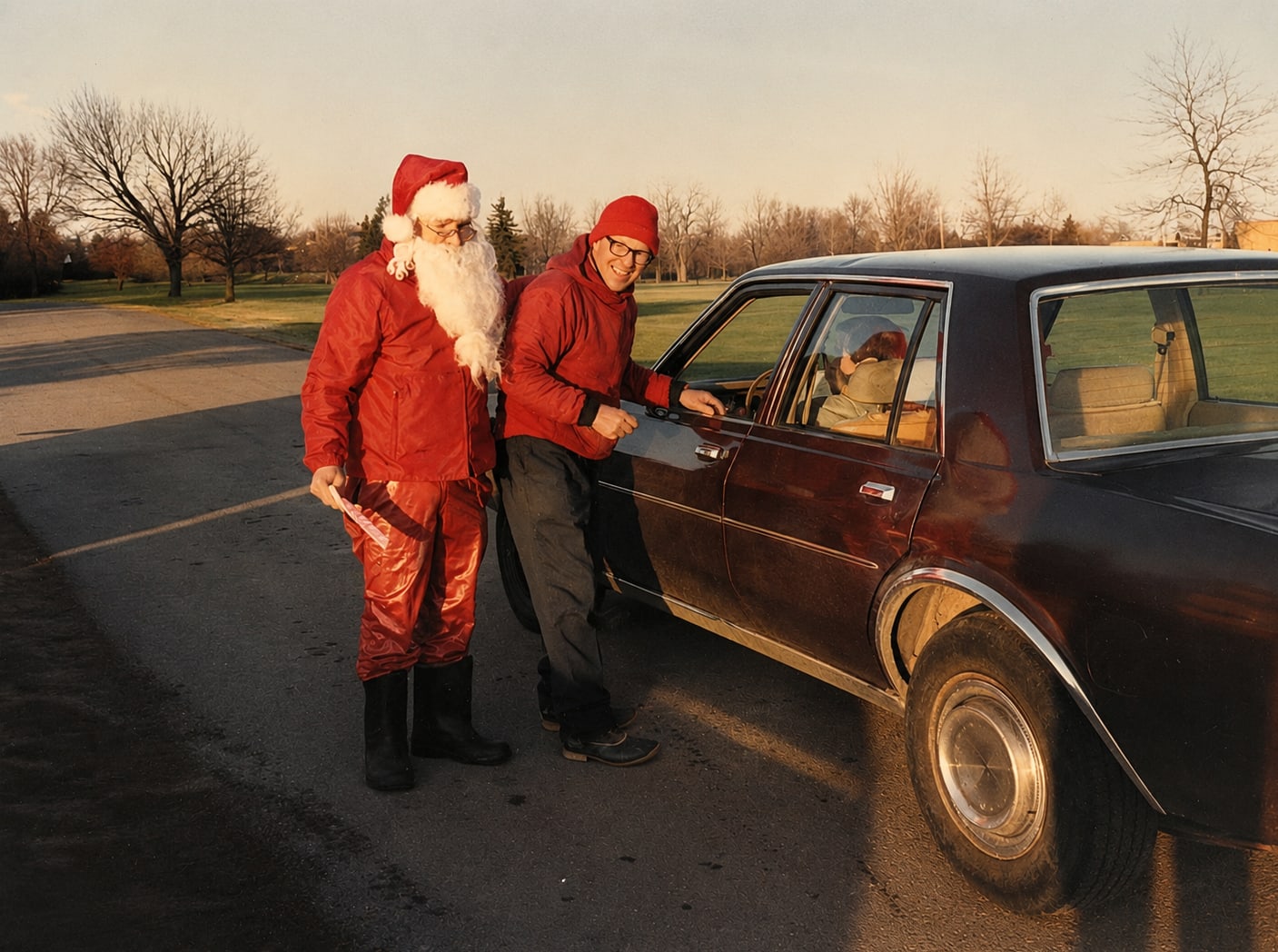
Santa greeting a visitor beside a car in the golden-hour fields at Abbey Farms

Owned by the Benedictine monks of Marmion Abbey.

For more than 75 years, the monks have farmed this land in Aurora. Every visit supports them.


Our story

Growing memories since 1949.


Since 1949, the Benedictine monks of Marmion Abbey have worked this land along Hart Road in Aurora. It began as an ordinary working farm, grain, hay, and a small herd of dairy cows, tended by the brothers the way their order has cared for land for fifteen centuries: by hand, by season, in rhythm with prayer.

How that farm became a Christmas tree plantation, and then a place families plan their whole year around, is a story that starts with a resting field and a hunch.
For $5.00 people can cut down a fresh Christmas tree at Marmion Abbey any day of the week from the Saturday after Thanksgiving to Dec. 23rd.

St. Alexander's church bulletin, Villa Park, 1968
Milestones

From a soil bank to a season families keep

A few dates that turned a resting farm into a tradition.

1950

The Abbey acquires the farm

Marmion Abbey buys its first section of land along Hart Road, a working farm that comes with equipment and a small herd of dairy cows.

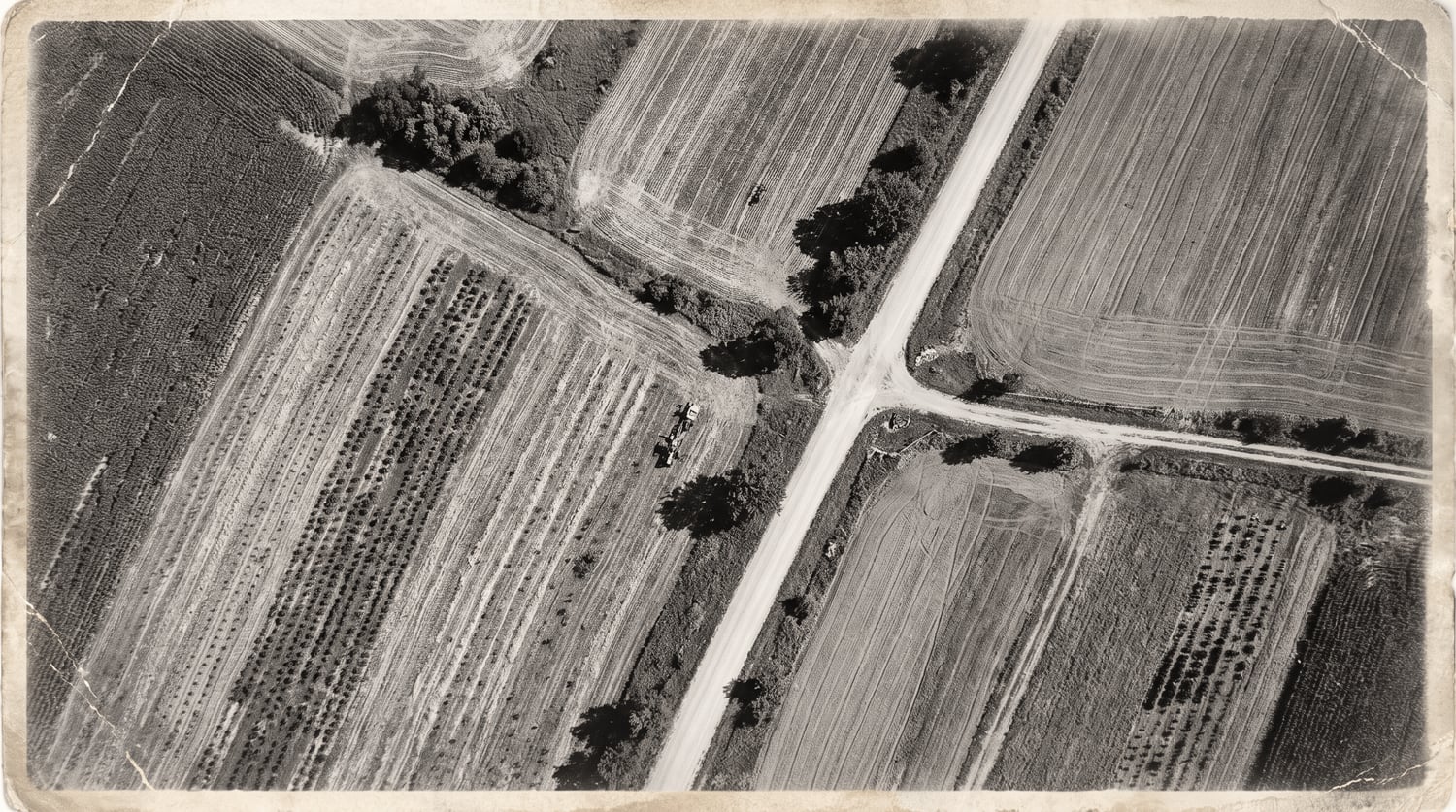
Aerial view of the Abbey Farms fields and the roads crossing through them
The farm fields from above.
1954

Summers in the hayfield

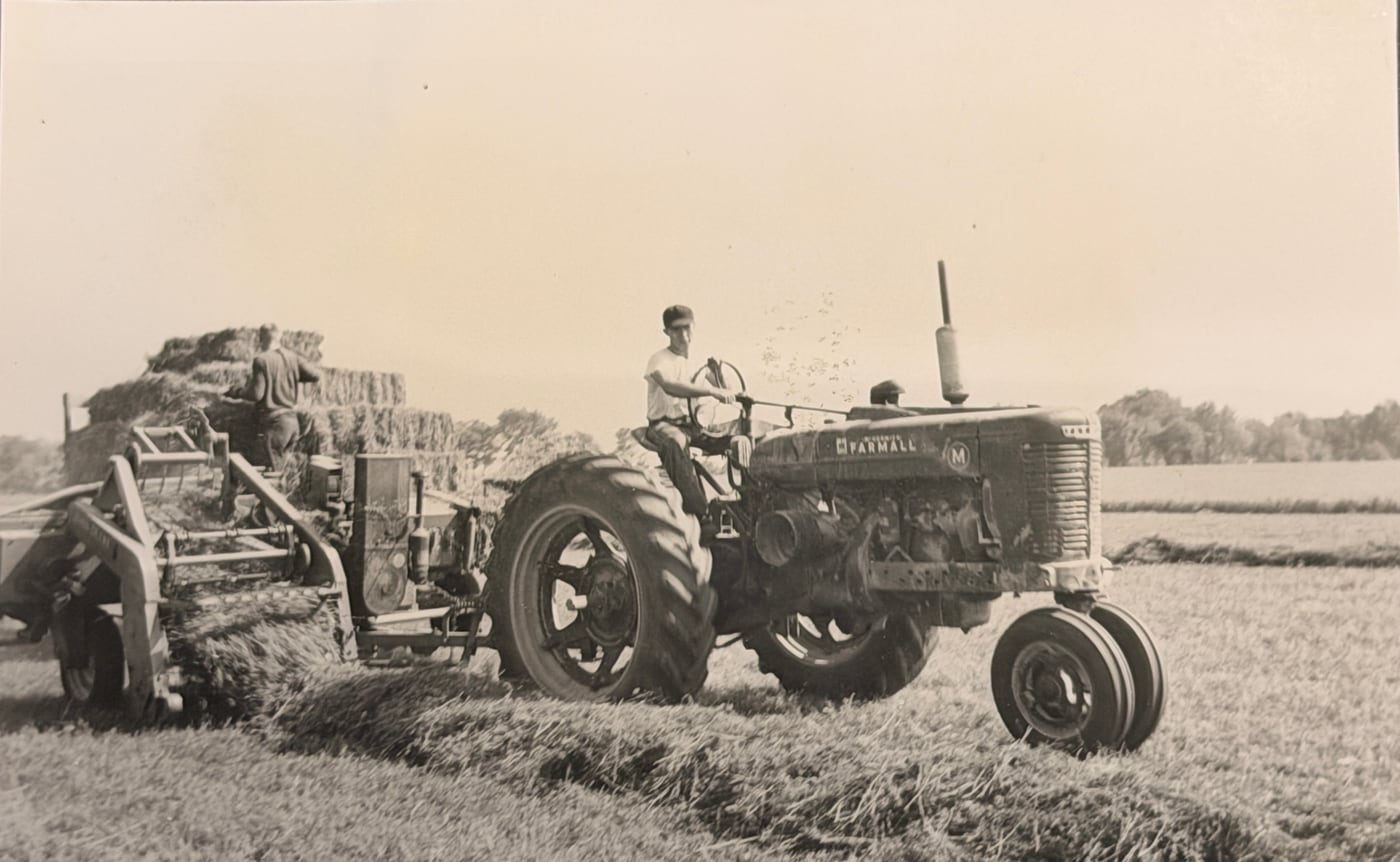
Through the working years, the monks bring in the grain and bale the hay themselves, often before the day's first Mass. The young brothers, called fraters, do much of the labor.

Two young Marmion monks baling hay with a Farmall tractor in a field, summer 1954
Fraters Stephan and Patrick baling hay, summer 1954
1959

The first seedlings go in

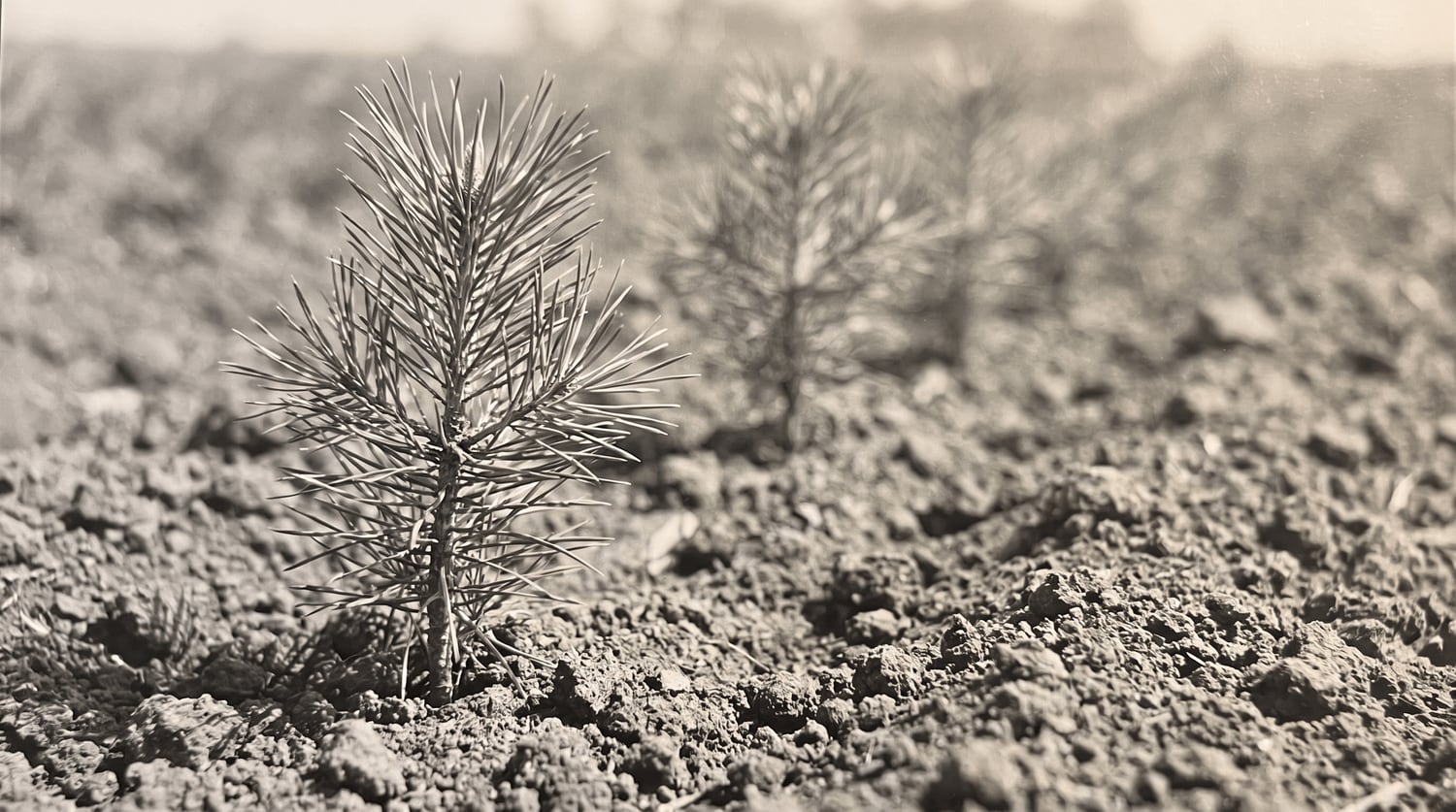
Father Matthias plants thousands of Scotch pine and white pine seedlings across the resting fields, borrowing a tree planter from the Kane County Forest Preserves.

Young pine seedlings rooted in fresh-tilled soil in the fields at Abbey Farms
The first pines take root.
1968

The first trees are cut

The earliest section, never entered in the soil bank, grows tall enough to sell. Word spreads through parish bulletins across the Fox Valley, five dollars a tree.

1970

Every field opens

With the ten-year contract complete, all the rows open at once. Six information-and-pay stations go up along the roads to point families toward the trees.

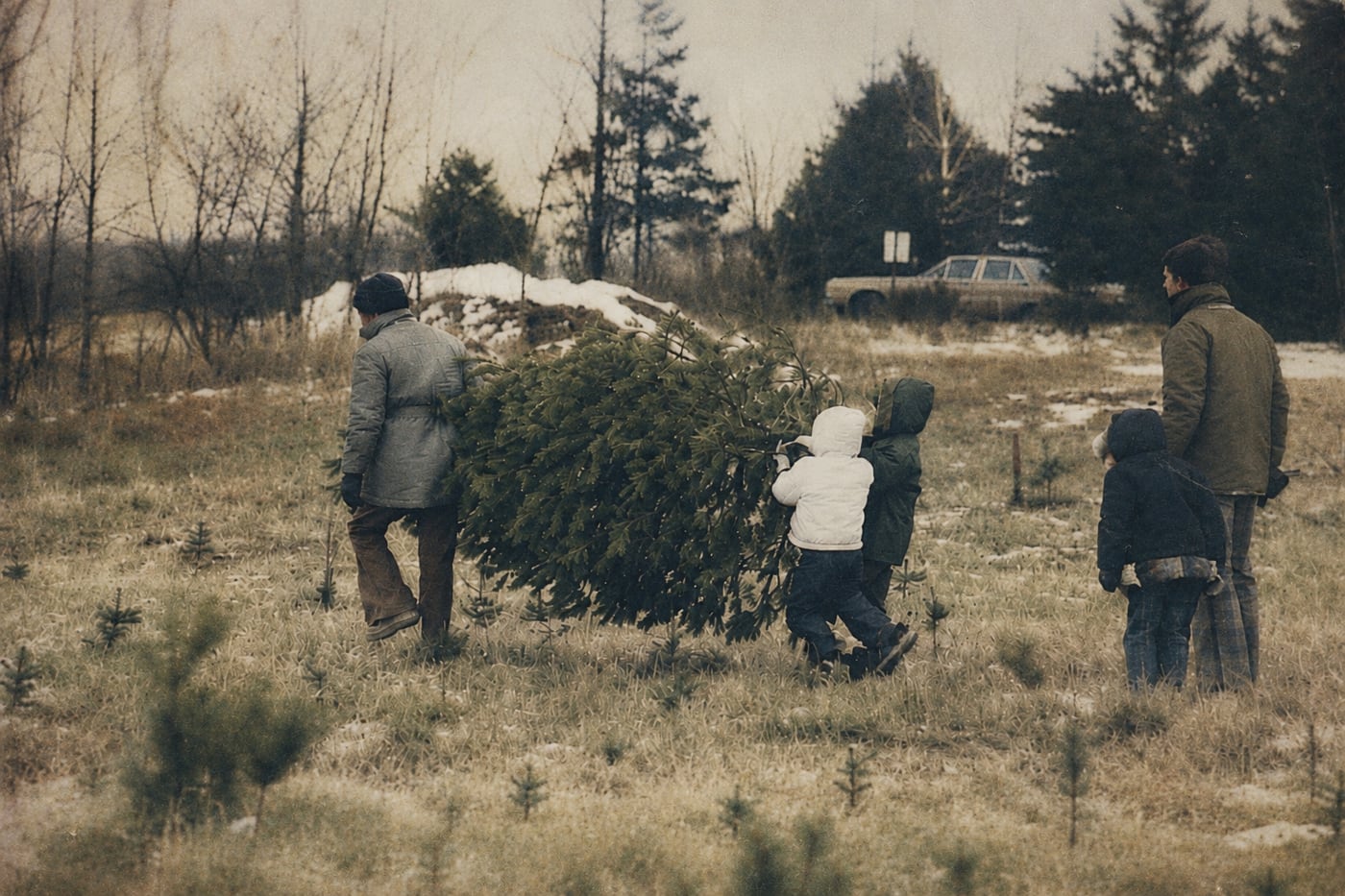
A family carrying a fresh-cut Christmas tree across the fields at Abbey Farms
A family hauls their tree out of the rows.
2005

The volunteer roll is archived

The farm sets down a list of everyone who has volunteered to help sell Christmas trees over the years, mostly dads with sons enrolled at Marmion Academy.

A typewritten archival list of Christmas tree volunteers and their years of service
From the archived roll of tree-lot volunteers.
2011

The first Pumpkin Daze

Our first Pumpkin Daze season opens, and fall joins Christmas on the farm's calendar: pumpkins, the corn maze, and a new set of traditions.

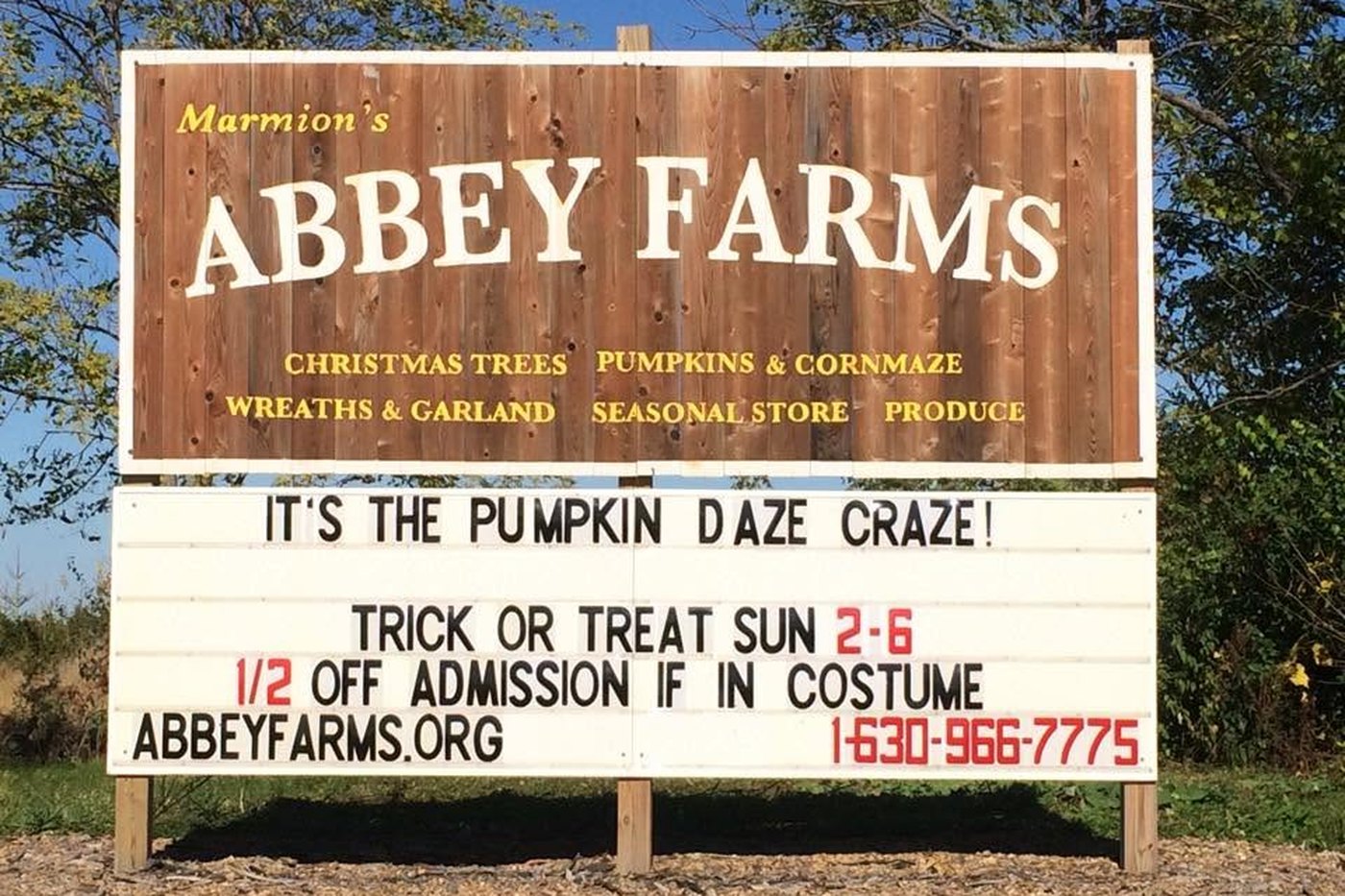
The wooden Abbey Farms road sign announcing the Pumpkin Daze craze
The road sign spreads the word: it's the Pumpkin Daze craze.
2014

The Nagel Emporium is dedicated

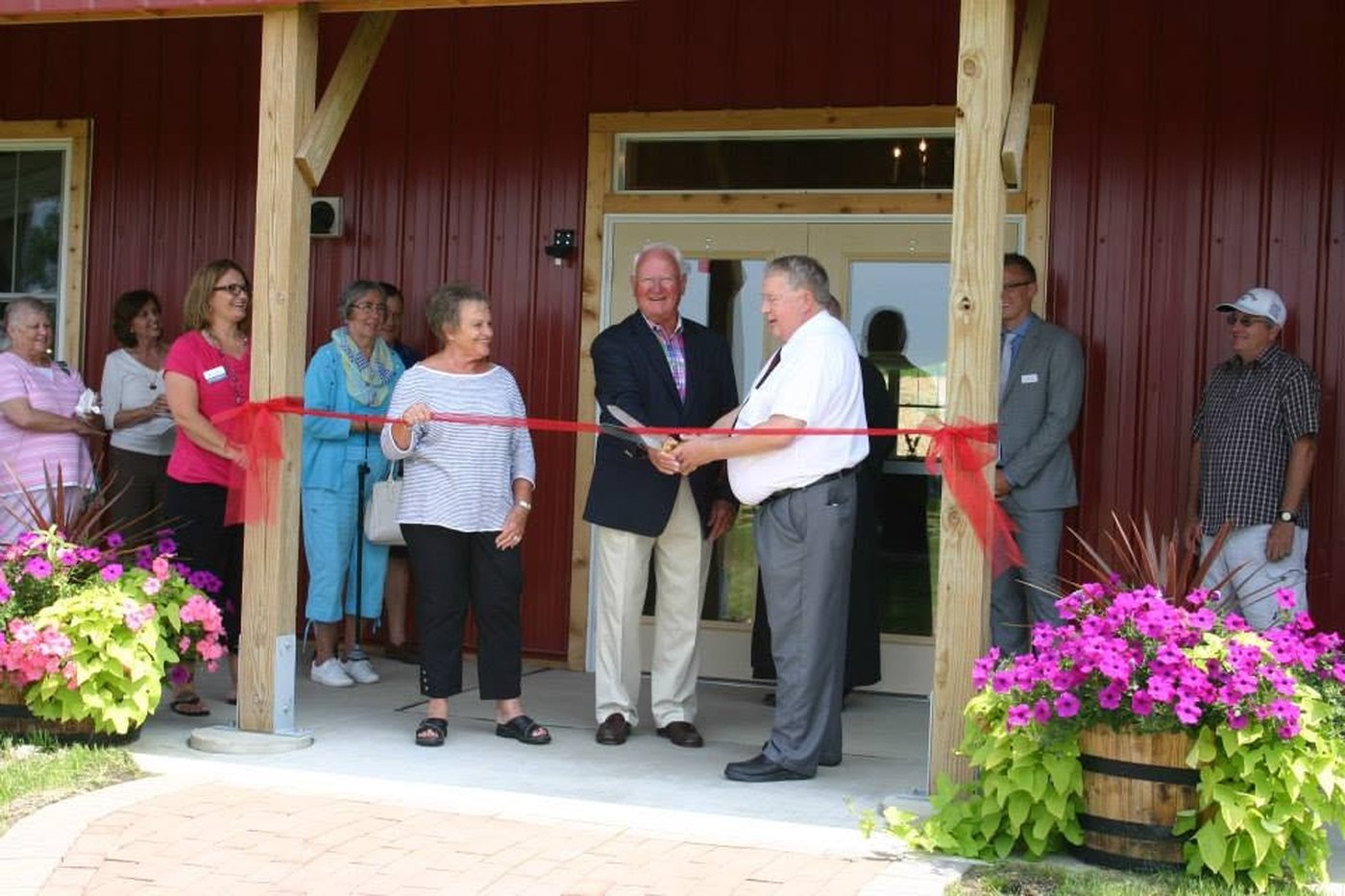
On July 26, the ribbon is cut on the Nagel Emporium, the big red building at the heart of today's farm.

The ribbon-cutting ceremony at the dedication of the Nagel Emporium, July 26, 2014
Cutting the ribbon, July 26, 2014.
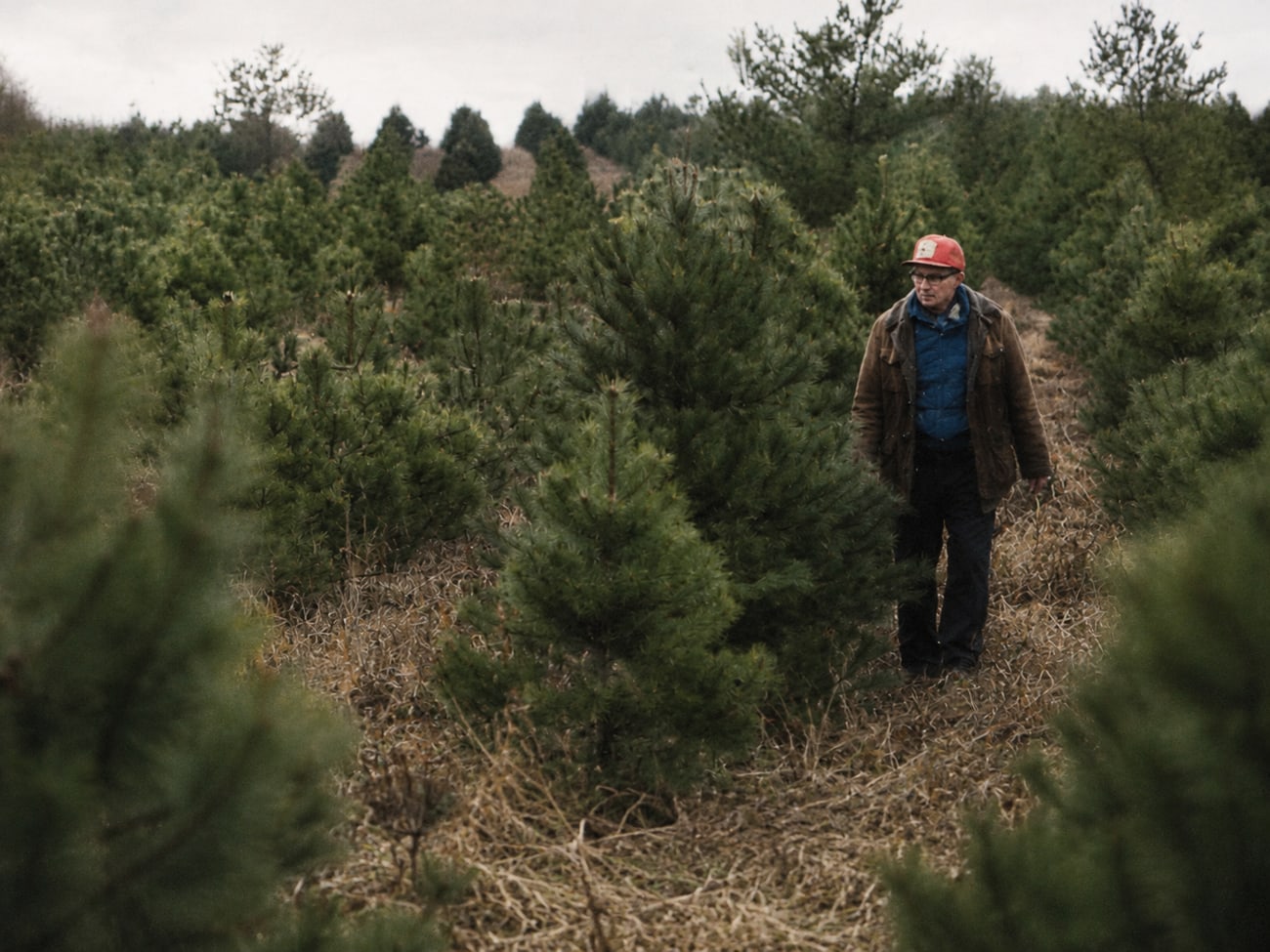
Father Bede Stocker, OSB, walking among the young pines in the Abbey Farms tree fields
The keeper of the trees

Father Bede Stocker, OSB


For much of the farm's early life, its story was kept by one man. Father Bede Stocker, OSB, a Benedictine monk with a lifelong love of helping things grow, was called back to the Abbey in June of 1970. He left his post as associate pastor at Annunciation parish to take charge of the Christmas trees.

He arrived just in time for the first season all the fields were open to the tree hunters, and he tended the rows through the years that followed. In his own hand, he sat "scratching out these notes," the record much of the history on this page is drawn from.

Our mission

Every donut, every pumpkin, every tree supports the monks and their mission.


Education, prayer, and stewardship of this land.
Since 1949.